* Plants make their own proteins: Plants are able to produce all the proteins they need through photosynthesis. They use sunlight, water, and carbon dioxide to create sugars, which are then used to build proteins.
* Nitrogen is key: The building blocks of protein are amino acids, and the most important element in amino acids is nitrogen. Plants obtain nitrogen from the soil, primarily through their roots.
* Protein is essential for many functions: Proteins play a crucial role in plant growth and development. They are involved in:
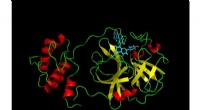
* Enzymes: Catalyzing chemical reactions within the plant.
* Structural components: Providing strength and support to cells and tissues.
* Hormones: Regulating plant growth and development.
* Defense mechanisms: Protecting the plant from pests and diseases.
So, while plants don't consume protein, they rely heavily on nitrogen to build their own proteins, which are essential for all aspects of their growth and survival.