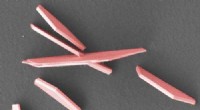
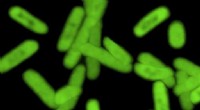
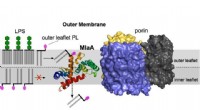
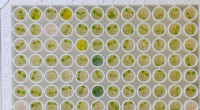
* Bacteria: These are single-celled organisms (prokaryotes) that lack a nucleus and other membrane-bound organelles. They have a simple structure and are found in diverse environments.
* Archaea: Also single-celled prokaryotes, archaea have unique features that distinguish them from bacteria. They have distinct cell walls, ribosomes, and genetic material. They are often found in extreme environments like hot springs and salt lakes.
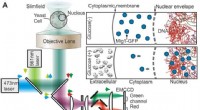
* Eukarya: This domain encompasses all organisms with eukaryotic cells. These cells have a nucleus and other membrane-bound organelles, allowing for more complex cellular processes. Eukarya includes plants, animals, fungi, and protists.
Here's a table summarizing the key differences:
| Domain | Cell Structure | Organelles | Genetic Material |
|---|---|---|---|
| Bacteria | Prokaryotic (no nucleus) | None | Circular DNA |
| Archaea | Prokaryotic (no nucleus) | Some unique organelles | Circular DNA |
| Eukarya | Eukaryotic (has nucleus) | Nucleus, mitochondria, chloroplasts, etc. | Linear DNA in chromosomes |