Basic Needs:
* Food: Provides energy and nutrients for growth, movement, and all life processes.
* Water: Essential for all biological processes, including transporting nutrients and regulating temperature.
* Shelter: Provides protection from predators, weather, and other environmental hazards.
* Air: (For organisms that breathe) Provides oxygen for respiration, the process that releases energy from food.
* Sunlight: (For plants) Essential for photosynthesis, the process that creates food from sunlight, water, and carbon dioxide.
Adaptability & Survival:
* Adaptability: The ability of an organism to adjust to changing conditions. This can be physical, behavioral, or genetic.
* Defense mechanisms: Strategies to protect themselves from predators, disease, or environmental threats.
* Reproduction: The ability to create offspring to ensure the continuation of the species.
Ecosystem Interactions:
* Symbiotic Relationships: Interactions between organisms that benefit at least one of them (e.g., pollination, mutualism, commensalism).
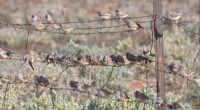
* Competition: The struggle between organisms for limited resources (e.g., food, water, territory).
* Predator-Prey Relationships: Interactions where one organism hunts and eats another.
Other Important Factors:
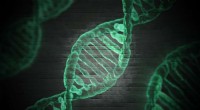
* Genetic Diversity: Variations within a species that allow for adaptability and resilience.
* Health: Overall well-being, free from disease or injury.
* Habitat: The environment where an organism lives, providing suitable conditions for survival.
It's important to note that these factors are interconnected. For example, a healthy organism is more likely to successfully reproduce, and a diverse habitat provides more resources and opportunities for survival.