Impact on Organisms:
* Climate Change: Rising global temperatures due to greenhouse gas emissions are altering habitats, disrupting ecosystems, and causing shifts in species distributions. This can lead to extinctions, decreased biodiversity, and altered food webs.
* Habitat Loss and Fragmentation: Land-use changes for agriculture, urbanization, and infrastructure development are destroying natural habitats, isolating populations, and reducing biodiversity.
* Pollution: Air, water, and soil pollution from industrial emissions, agricultural runoff, and plastic waste are harming organisms directly and indirectly through bioaccumulation and ecosystem disruptions.
* Overexploitation: Overfishing, poaching, and unsustainable harvesting practices are depleting populations of plants and animals, threatening their survival.
* Invasive Species: The introduction of non-native species can outcompete native organisms, disrupt ecosystems, and lead to extinctions.
Impact on Earth's Surface:
* Climate Change: Rising sea levels due to melting glaciers and thermal expansion of ocean water are flooding coastal areas, eroding shorelines, and displacing populations. Extreme weather events such as hurricanes and droughts are becoming more frequent and intense, causing damage to infrastructure and natural ecosystems.
* Deforestation: Clearing forests for timber, agriculture, and urbanization is leading to soil erosion, habitat loss, and reduced carbon absorption, contributing to climate change.
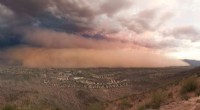
* Desertification: Overgrazing, deforestation, and unsustainable agricultural practices are turning fertile lands into deserts, reducing biodiversity and impacting food production.
* Ocean Acidification: The absorption of carbon dioxide from the atmosphere into the ocean is making the water more acidic, harming marine organisms and ecosystems.
* Pollution: Contamination of air, water, and soil with pollutants is affecting the health of ecosystems and impacting human health.
Consequences of Human Activity:
These impacts have far-reaching consequences, including:
* Loss of Biodiversity: The decline in species populations and extinctions are reducing the Earth's biodiversity, which is essential for ecosystem stability and human well-being.
* Climate Disruption: Climate change is causing extreme weather events, rising sea levels, and changes in precipitation patterns, impacting human societies and natural systems.
* Food Insecurity: Habitat loss, pollution, and climate change are threatening food production and access, potentially leading to food shortages and malnutrition.
* Health Impacts: Pollution and climate change are contributing to respiratory problems, heat stress, infectious diseases, and other health issues.
* Economic Impacts: The costs of addressing climate change and environmental damage are significant, impacting economies and livelihoods.
Solutions:
Addressing these issues requires a multifaceted approach:
* Sustainable Practices: Promoting sustainable agriculture, forestry, and energy production to minimize environmental impact.
* Conservation and Restoration: Protecting remaining habitats, restoring degraded ecosystems, and managing species populations sustainably.
* Policy and Regulation: Implementing policies and regulations to reduce pollution, promote renewable energy, and limit unsustainable activities.
* Education and Awareness: Raising public awareness about environmental issues and promoting responsible environmental behavior.
* International Cooperation: Collaboration between nations to address global environmental challenges and share solutions.
It's crucial for individuals, governments, and organizations to take action to mitigate the impacts of human activity and ensure a sustainable future for both humans and the planet.