* Plants: These provide food, shelter, and oxygen for other organisms.
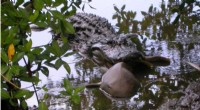
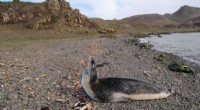
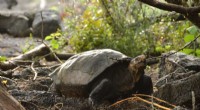
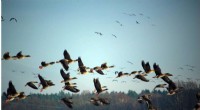
* Animals: These consume plants and other animals, influencing population dynamics and energy flow.
* Microorganisms: These include bacteria, fungi, and viruses that play crucial roles in decomposition, nutrient cycling, and disease transmission.
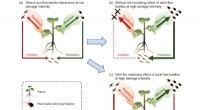
* Competition: Organisms competing for resources like food, water, or space.
* Predation: Organisms that hunt and kill other organisms for food.
* Parasitism: Organisms that live on or in another organism, benefiting while harming the host.
* Mutualism: Organisms that benefit from each other, like the relationship between bees and flowers.
* Commensalism: One organism benefits while the other is neither harmed nor helped, like barnacles growing on whales.
Essentially, any living thing or the interaction between living things that influences an ecosystem is considered a biotic factor.
In contrast, abiotic factors are non-living components of the environment, such as temperature, sunlight, water, and soil.