1. Transparency: Many microorganisms are transparent or nearly transparent, making them difficult to distinguish from the surrounding water. This is especially true for bacteria, which are often very small.
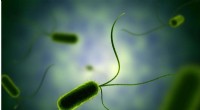
2. Movement: Some microorganisms are highly mobile and can quickly dart out of the field of view, making it difficult to focus on them. This is particularly true for protozoa and some types of bacteria.
3. Light Scattering: Water itself can scatter light, creating a blurry background that obscures the microorganisms. This is especially noticeable in thick preparations.
4. Depth of Field: The depth of field in a microscope is limited, meaning only a narrow plane of the sample is in focus at any given time. This makes it difficult to see microorganisms that are located outside of the focal plane, especially in a wet preparation where the microorganisms are suspended in a relatively thick layer of water.
5. Light Absorption: Water absorbs some wavelengths of light, which can make it difficult to see certain types of microorganisms that are best viewed with specific wavelengths.
To improve visibility of microorganisms in wet preparations:
* Use a stain: Staining the microorganisms with a dye can increase their contrast and make them easier to see.
* Adjust the light source: Using a more focused light source, such as a darkfield condenser, can improve visibility by reducing light scattering.
* Adjust the condenser: Lowering the condenser can increase the depth of field, making it easier to see microorganisms at different depths.
* Use a cover slip: A cover slip can help to flatten the sample and reduce the thickness of the water layer, making it easier to focus on the microorganisms.
* Use a phase contrast microscope: A phase contrast microscope uses the differences in refractive index between the microorganisms and the surrounding water to enhance contrast. This technique can be particularly useful for viewing unstained microorganisms.
By using these techniques, it is possible to improve the visibility of microorganisms in wet preparations and make them easier to study.