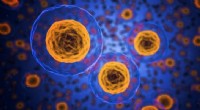
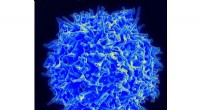
Microorganisms:
* Bacteria: Many types of bacteria, including nitrogen-fixing bacteria, are found in the atmosphere, especially in the lower layers.
* Fungi: Some fungi, like yeasts, can be found in the air, often traveling long distances.
* Viruses: Viruses are abundant in the atmosphere, and they can be transported over long distances, contributing to the spread of diseases.
* Algae: While mostly found in water, some algae, like diatoms, can be lifted into the air and transported.
Larger Organisms:
* Insects: Many insects, like moths, flies, and butterflies, can be found in the air, especially during migrations.
* Birds: Birds are obviously adapted for flight and spend a large portion of their lives in the air.
* Bats: Bats are the only mammals that can truly fly and are commonly found in the atmosphere at night.
Noteworthy Points:
* Height: The majority of atmospheric organisms are found in the lower layers, called the troposphere. The further you go up, the thinner the air and the harsher the conditions, making it less hospitable to life.
* Transportation: Many organisms are passively transported by the wind, while others have developed mechanisms to actively fly or float.
* Aerosols: Many atmospheric organisms, including bacteria and viruses, travel on dust particles and other aerosols.
* Impact on Climate: Atmospheric organisms play a role in the Earth's climate system, influencing cloud formation, precipitation, and even greenhouse gas levels.
While the atmosphere doesn't seem like a hospitable place for life, it's teeming with a surprisingly diverse array of organisms that play crucial roles in the planet's ecosystems.