Cancer as a Scientific Phenomenon:
* Cellular Biology: Cancer is fundamentally a disease of cells. Scientists study how normal cells grow, divide, and differentiate, and how these processes go awry in cancer. They investigate the genetic mutations, signaling pathways, and environmental factors that contribute to uncontrolled cell growth.
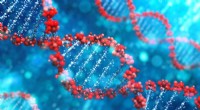
* Genetics: Many cancers are driven by specific mutations in genes that regulate cell growth and division. Scientists are working to understand the genetic basis of different cancers, leading to personalized medicine approaches.
* Immunology: The immune system can play a role in fighting cancer cells. Scientists are developing immunotherapies that harness the power of the immune system to target and destroy cancerous cells.
* Epidemiology: Epidemiologists study the patterns and causes of cancer in populations. This helps identify environmental and lifestyle factors that contribute to cancer risk, leading to public health initiatives for prevention.
Science in Cancer Treatment and Prevention:
* Chemotherapy: Developed based on scientific understanding of cell division and DNA replication, chemotherapy aims to kill rapidly dividing cancer cells.
* Radiation Therapy: Uses focused beams of radiation to kill cancer cells. The science behind radiation therapy involves understanding how radiation interacts with cells.
* Surgery: Removing cancerous tumors is a cornerstone of cancer treatment, often informed by imaging techniques and surgical advancements.
* Targeted Therapies: These drugs focus on specific molecular targets involved in cancer development. This precision medicine approach minimizes side effects and improves efficacy.
* Stem Cell Research: Understanding cancer stem cells, which can repopulate tumors, is crucial for developing new treatments.
* Early Detection and Screening: Scientific advancements in diagnostic imaging (like mammograms and colonoscopies) and blood tests allow for earlier detection and improved outcomes.
* Prevention: Scientific studies on lifestyle factors (smoking, diet, exercise) and environmental exposures (carcinogens) inform public health campaigns to reduce cancer risk.
Ongoing Scientific Research:
* Understanding Cancer Heterogeneity: Cancers within the same type can vary significantly, making treatment challenging. Scientists are working to understand this heterogeneity and develop personalized therapies.
* Developing New Therapies: There is ongoing research into new drugs, gene therapies, and immunotherapy approaches to combat cancer.
* Improving Quality of Life: Scientific advancements are improving the quality of life for cancer patients through pain management, rehabilitation, and supportive care.
In essence, cancer is not just a disease; it's a scientific puzzle that researchers are constantly working to unravel. Their efforts lead to breakthroughs in prevention, early detection, treatment, and improving the lives of cancer patients.