1. DNA and Genetic Similarity:
* Universal Genetic Code: All living organisms use the same basic genetic code (DNA and RNA), strongly suggesting a common ancestor. This code translates DNA sequences into proteins.
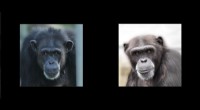
* Shared Genes: Organisms share many genes, indicating common ancestry. For example, humans and chimpanzees share over 98% of their DNA.
* Pseudogenes: These are non-functional genes that are remnants of functional genes in ancestral species. Their presence in different organisms suggests a shared evolutionary history.
* Mutations and Evolutionary Clocks: Mutations occur at a relatively constant rate, allowing scientists to estimate the time of divergence between species.
2. Protein Similarities:
* Amino Acid Sequences: Proteins with similar functions often have similar amino acid sequences, suggesting they evolved from a common ancestor.
* Homologous Proteins: These are proteins with similar structures and functions that are found in different organisms. They provide evidence for a shared evolutionary history.
3. Molecular Phylogenies:
* Phylogenetic Trees: These are diagrams that illustrate evolutionary relationships between organisms based on molecular data.
* DNA Sequencing: Comparisons of DNA sequences between organisms can provide evidence for evolutionary relationships.
4. Other Molecular Evidence:
* Endogenous Retroviruses (ERVs): These are viral sequences that have been incorporated into an organism's genome over millions of years. ERVs can be found in the same locations in the genomes of different organisms, providing evidence of shared ancestry.
* Mitochondrial DNA (mtDNA): mtDNA is inherited maternally and evolves relatively quickly. This makes it a useful tool for studying evolutionary relationships, especially for recent evolutionary events.
Conclusion:
The molecular evidence for evolution is overwhelming and comes from diverse sources, including DNA, proteins, and other molecular markers. These data provide strong support for the theory of evolution and help us understand the relationships between different life forms on Earth.