Here's a breakdown of some major categories of science and examples of subfields:
Natural Sciences:
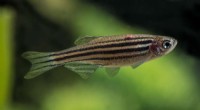
* Biology: Zoology, Botany, Microbiology, Genetics, Ecology, Evolution, Physiology
* Chemistry: Organic Chemistry, Inorganic Chemistry, Biochemistry, Analytical Chemistry, Physical Chemistry
* Physics: Classical Mechanics, Thermodynamics, Electromagnetism, Optics, Quantum Mechanics, Nuclear Physics, Astrophysics
* Earth Science: Geology, Meteorology, Oceanography, Climatology, Paleontology, Hydrology
Social Sciences:
* Psychology: Developmental Psychology, Cognitive Psychology, Social Psychology, Clinical Psychology
* Sociology: Social Stratification, Social Movements, Criminology, Demography
* Anthropology: Cultural Anthropology, Physical Anthropology, Archaeology
* Economics: Microeconomics, Macroeconomics, International Economics, Development Economics
* Political Science: Comparative Politics, International Relations, Public Policy
* History: Ancient History, Medieval History, Modern History, Social History
Formal Sciences:
* Mathematics: Algebra, Calculus, Geometry, Statistics, Logic
* Computer Science: Programming, Data Structures, Algorithms, Artificial Intelligence
* Linguistics: Phonetics, Morphology, Syntax, Semantics, Pragmatics
Applied Sciences:
* Engineering: Mechanical Engineering, Electrical Engineering, Civil Engineering, Chemical Engineering
* Medicine: Cardiology, Neurology, Oncology, Pediatrics, Surgery
* Agriculture: Agronomy, Horticulture, Animal Science, Plant Pathology
* Environmental Science: Ecology, Conservation Biology, Environmental Chemistry, Environmental Policy
Other Areas:
* Astronomy: Cosmology, Stellar Astronomy, Planetary Science
* Space Science: Astrobiology, Space Exploration, Rocket Science
* Materials Science: Nanotechnology, Polymer Science, Ceramics
* Forensic Science: Criminalistics, Forensic Biology, Forensic Chemistry
It's important to note that this is just a sampling of the many areas within science. There are countless other subfields, interdisciplinary areas, and emerging fields constantly developing.