Here's a breakdown:
* Intracellular transport is the movement of molecules and other substances within the cell. This process is essential for a variety of cellular functions, including:
* Delivery of nutrients: Moving sugars, amino acids, and other building blocks to where they are needed.
* Removal of waste: Transporting waste products from metabolism to the cell's exterior for disposal.
* Signaling: Sending signals between different organelles to coordinate cellular processes.
* Protein synthesis: Moving newly synthesized proteins to their correct destinations within the cell.
* Organelles are specialized structures within the cell that perform specific functions. They work together to maintain the life of the cell.
* Examples include the nucleus (contains DNA), mitochondria (energy production), Golgi apparatus (protein processing), and endoplasmic reticulum (protein synthesis and lipid metabolism).
Mechanisms of Intracellular Transport:
* Vesicular transport: Small membrane-bound sacs called vesicles bud off from one organelle and fuse with another, carrying their cargo.
* Cytoplasmic streaming: The movement of the cytoplasm within the cell, carrying dissolved substances and organelles.
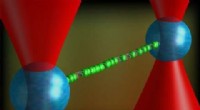
* Motor proteins: Proteins that bind to cargo and move along cytoskeletal tracks (like microtubules and microfilaments) within the cell.
Overall, intracellular transport is a complex and dynamic process that is essential for the proper functioning of all cells.