Here's how we break it down:
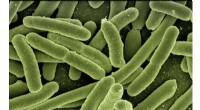
* Dependent Variable: This is what we are measuring or observing. In this case, it would be the death of bacteria.
* Independent Variable: This is the factor we are changing or manipulating to see how it affects the dependent variable. So, the independent variable would be the different things we are testing to see if they kill bacteria.
Examples of independent variables that could be tested:
* Antibiotics: Different types or concentrations of antibiotics
* Disinfectants: Bleach, alcohol, hand sanitizer, etc.
* Temperature: High temperatures (boiling water) or low temperatures (freezing)
* pH: Acidity or alkalinity of a solution
* Sunlight: Exposure to UV radiation
Important Note: It's crucial to remember that just because something kills bacteria in a laboratory setting, it doesn't mean it's safe or effective for use on humans or in other situations. Always consult with a medical professional or expert for safe and effective methods to eliminate bacteria.