Tools:
* Dissection: The classic method of anatomy, involving carefully cutting open organisms to reveal their internal structures.
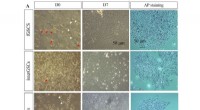
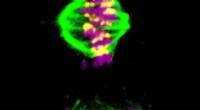
* Microscopes: Light and electron microscopes allow anatomists to view tissues and cells in detail.
* Imaging techniques:
* X-rays: Reveal the bones and other dense structures.
* CT scans: Provide detailed 3D images of internal organs and tissues.
* MRI scans: Create detailed images of soft tissues, including muscles, tendons, and nerves.
* PET scans: Show the metabolic activity of tissues and organs.
* Computer software: Used for 3D modeling, analysis of images, and statistical analysis of data.
Methods:
* Observation: Anatomists carefully observe the structures of organisms, both macroscopically and microscopically.
* Comparison: Anatomists compare the structures of different organisms to understand evolutionary relationships and similarities.
* Experimentation: While not as common in traditional anatomy, some anatomists conduct experiments to study the function of specific structures.
* Collaboration: Anatomists often collaborate with other scientists, such as physiologists, pathologists, and geneticists, to gain a more complete understanding of the body.
Knowledge and Skills:
* Anatomical terminology: Understanding the language used to describe the structures of the body.
* Understanding of physiology: Knowledge of how structures function is essential for understanding their anatomy.
* Strong spatial reasoning skills: The ability to visualize and understand the relationships between different body parts.
* Attention to detail: Anatomists must be meticulous in their observations and analysis.
In addition to these, anatomists also rely heavily on scientific literature and published data to stay up-to-date on the latest discoveries and advancements in the field.