Here's a breakdown:
Growth:
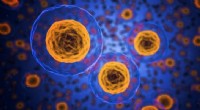
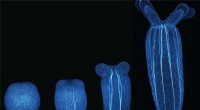
* Multicellular organisms: Cell division is essential for the growth of multicellular organisms from a single fertilized egg to a complex individual. Each cell division adds to the total number of cells, increasing size and complexity.
* Unicellular organisms: Cell division is how single-celled organisms like bacteria reproduce.
Repair:
* Damaged cells: When cells are damaged due to injury, disease, or normal wear and tear, cell division replaces them with new, healthy cells.
* Tissue maintenance: Cell division helps to maintain the structure and function of tissues by replacing old or worn-out cells.
Reproduction:
* Sexual reproduction: In sexually reproducing organisms, specialized cells called gametes (sperm and egg) are produced through cell division. These gametes combine to form a new organism.
* Asexual reproduction: Many organisms reproduce asexually, where a single parent cell divides to create genetically identical offspring.
Other Reasons:
* Development: Cell division is crucial for the development of specialized tissues and organs during embryonic development.
* Immune response: White blood cells, crucial for fighting infections, are produced through cell division.
In summary: Cell division is an essential process that ensures the growth, repair, and reproduction of organisms. It plays a vital role in maintaining the integrity and function of our bodies and in the continuation of life.