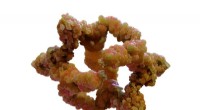
Previously known as blue-green algae, cyanobacteria are a type of photosynthetic bacteria that use sunlight, water, and carbon dioxide to produce their own food and release oxygen as a byproduct. This process, called oxygen photosynthesis, is essential for life on Earth as we know it.
Cyanobacteria were responsible for the "Great Oxidation Event" billions of years ago, which transformed Earth's atmosphere from oxygen-poor to oxygen-rich, paving the way for the evolution of more complex life forms.
Here are some additional points about cyanobacteria and oxygen production:
* They are found in various environments: Cyanobacteria can be found in freshwater, saltwater, soil, and even on rocks.
* They are important for the ecosystem: Besides oxygen production, cyanobacteria also play a crucial role in nitrogen fixation, which is the conversion of atmospheric nitrogen into a usable form for other organisms.
* Some cyanobacteria can produce toxins: While most cyanobacteria are harmless, some species can produce toxins that can harm humans and animals.