Here's a breakdown of development:
1. Growth: An organism increases in size and complexity as it ages. This involves cell division and expansion of tissues and organs.
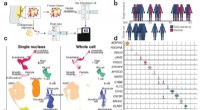
2. Differentiation: Cells become specialized for specific functions. This process is regulated by genes and environmental factors. For example, a single fertilized egg cell develops into a multitude of cell types, each with a unique role in the organism's body.
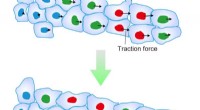
3. Morphogenesis: The development of shape and form. Cells move, rearrange, and differentiate to form tissues, organs, and ultimately the body plan of the organism.
4. Maturation: The organism reaches its full physical potential and reproductive capacity.
Important Note: Development is not always about becoming more complex. Some organisms undergo metamorphosis, a dramatic transformation that may involve a decrease in complexity, such as the transformation of a caterpillar into a butterfly.
Here are some examples of developmental processes:
* A seed growing into a plant: The seed undergoes a process of germination, sprouting, and growth to become a mature plant.
* A tadpole becoming a frog: The tadpole undergoes significant changes in form, losing its tail and developing legs.
* A human child growing into an adult: The child undergoes physical and mental changes, reaching sexual maturity and developing adult characteristics.
Development is a complex and fascinating process that is influenced by a multitude of factors, including genetics, environment, and nutrition.