1. Morphological Comparisons:
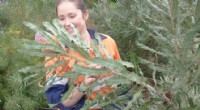
* Shared characteristics: Taxonomists look for consistent similarities in physical traits like leaf shape, flower structure, seed morphology, stem growth patterns, etc.
* Distinct differences: Significant and consistent differences in these features could indicate separate species.
* Variation within populations: Taxonomists also examine how much variation exists within a population and between populations.
2. Reproductive Compatibility:
* Interbreeding: Taxonomists may test if plants can successfully interbreed and produce fertile offspring. If they can't, it's a strong indicator of different species.
* Hybrids: The existence of hybrids (offspring from two different species) can complicate things. Their fertility and viability can give insights into the relatedness of the parent species.
3. Genetic Analyses:
* DNA sequencing: Comparing DNA sequences can reveal genetic similarities and differences between individuals.
* Phylogenetic trees: These trees illustrate evolutionary relationships based on genetic data.
4. Geographic Distribution:
* Overlapping ranges: If two plants live in the same areas, they might be more likely to interbreed.
* Reproductive isolation: If two plants are geographically separated, even if they share similar features, they might be different species due to isolation.
5. Ecological Observations:
* Niche differences: Taxonomists consider if the plants have different ecological roles (e.g., different pollinators, different soil requirements, different habitats).
6. Evolutionary History:
* Fossil record: Fossils can provide insights into the evolutionary history of plants and help distinguish closely related species.
7. Subspecies and Varieties:
* Intraspecific variation: Sometimes, there's significant variation within a species, leading to the designation of subspecies or varieties. These are still considered the same species but have unique features.
Important Considerations:
* The species concept is dynamic: The definition of a species is not always clear-cut, and the classification system is constantly evolving as new information becomes available.
* Subjective judgment: Some aspects of the decision-making process involve subjective judgment and interpretation of data.
In essence, taxonomists strive to identify and describe species based on a holistic understanding of their morphology, reproductive biology, genetics, geographic distribution, ecology, and evolutionary history.