Here's how it works:
* Phospholipid bilayer: The cell membrane is primarily made of a phospholipid bilayer. This layer has a hydrophobic (water-repelling) tail and a hydrophilic (water-attracting) head. This arrangement creates a barrier that prevents most water-soluble molecules from passing through.
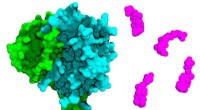
* Proteins embedded in the membrane: The cell membrane also contains various proteins that are embedded in the phospholipid bilayer. These proteins serve as channels, carriers, pumps, and receptors:
* Channels: These proteins act like tunnels that allow specific ions and small molecules to pass through the membrane.
* Carriers: These proteins bind to specific molecules on one side of the membrane, change shape, and then release the molecules on the other side.
* Pumps: These proteins use energy (usually from ATP) to move molecules against their concentration gradient (from low to high concentration).
* Receptors: These proteins bind to specific molecules (like hormones or neurotransmitters) on the outside of the cell, triggering a response inside the cell.
Therefore, the cell membrane is selective because it:
* Allows certain molecules to pass through freely (like small, uncharged molecules, and some gases).
* Regulates the movement of other molecules (like charged ions and large molecules).
* Prevents the passage of harmful substances.
This selectivity is crucial for the cell's survival and function. It allows the cell to:
* Maintain its internal environment.
* Transport necessary nutrients.
* Remove waste products.
* Respond to signals from its environment.
In conclusion, the cell membrane's selectivity is a fundamental property that enables it to control the movement of substances and maintain the cell's internal environment.