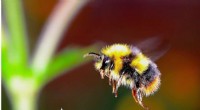
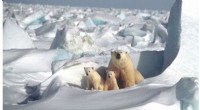
* Kingdom Animalia: All animals are heterotrophic, relying on consuming other organisms for their energy and nutrients.
* Kingdom Fungi: Fungi are also heterotrophic, primarily decomposers, meaning they break down dead organic matter. Some fungi are parasitic, obtaining nutrients from living organisms.
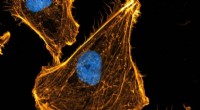
* Kingdom Protista: This kingdom is a diverse group, containing both heterotrophic and autotrophic (photosynthetic) organisms. Examples of heterotrophic protists include amoebas, slime molds, and some algae.
* Kingdom Bacteria: Many bacteria are heterotrophic, including decomposers, parasites, and symbiotic organisms.
* Kingdom Archaea: Similar to bacteria, many archaea are heterotrophic, including those that live in extreme environments.
Note: While the majority of organisms within these kingdoms are heterotrophic, there are exceptions. For instance, some bacteria are autotrophic and can produce their own food through chemosynthesis or photosynthesis.