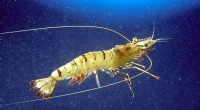
* Adaptability to Changing Environments: The environment is constantly changing – climate, food sources, predators, disease, etc. If a species has a wide range of traits within its population (variation), some individuals are likely to be better suited to the new conditions than others. These individuals are more likely to survive, reproduce, and pass on their advantageous traits, allowing the species to adapt and persist.
* Resistance to Disease: A diverse population is less vulnerable to disease outbreaks. If everyone has the same susceptibility, a disease could wipe out the entire population. Variation ensures that some individuals might have genetic resistance, allowing the species to survive and rebuild.
* Avoiding Extinction: Without variation, a species becomes very fragile. If the environment changes drastically, or a new predator emerges, the entire species could be wiped out. Variation allows the species to hedge its bets and increase its chances of surviving unforeseen challenges.
Examples:
* Peppered Moths: During the Industrial Revolution, pollution darkened the trees where peppered moths lived. Light-colored moths became easier prey for birds, while darker moths blended in better and survived. Over time, the population shifted towards darker moths, demonstrating the power of variation in adaptation.
* Antibiotic Resistance: Bacteria are incredibly diverse. When antibiotics are used, some bacteria have mutations that make them resistant. These bacteria survive, reproduce, and spread the resistance, making antibiotics less effective over time.
In summary: Variation is the fuel for evolution. It allows species to adapt to changing conditions, fight off disease, and ultimately survive in a constantly evolving world.