1. Complexity and Interconnectedness:
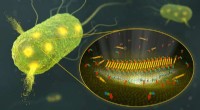
* Living Systems: Biology deals with living organisms, which are incredibly complex systems. They are dynamic, self-regulating, and constantly interacting with their environment.
* Multiple Levels of Organization: Biology studies life from the molecular level (DNA, proteins) to the level of ecosystems. Understanding life requires integrating knowledge across these different levels.
* Emergent Properties: Complex systems often exhibit emergent properties, meaning that the whole is more than the sum of its parts. This makes it challenging to predict the behavior of a complex system based solely on its individual components.
2. Diversity and Evolution:
* Vast Range of Life: The diversity of life on Earth is staggering, from microscopic bacteria to giant sequoia trees. Each organism has its own unique adaptations and evolutionary history.
* Evolutionary Processes: Biology explores the mechanisms of evolution, how life has changed over billions of years, and how new species arise. This provides a framework for understanding the unity and diversity of life.
* Ongoing Discoveries: New species are constantly being discovered, and the understanding of biological processes continues to evolve. This dynamism makes biology a continuously exciting field of study.
3. Impact on Human Life:
* Health and Medicine: Biology is fundamental to understanding human health, disease, and developing treatments. From antibiotics to genetic engineering, biological discoveries have revolutionized healthcare.
* Agriculture and Food Production: Biology underpins food production, from understanding plant growth to developing pest-resistant crops.
* Environmental Stewardship: Biology provides insights into how ecosystems function, the impact of human activities, and the need for conservation.
4. Ethical Considerations:
* Bioethics: The complexity of life raises ethical questions about genetic engineering, animal welfare, and the use of biological resources.
* Social Impact: Biological research often has profound social implications, and it's important to consider the potential benefits and risks of new discoveries.
Conclusion:
Biology is exceptional because it explores the intricate world of life, from the smallest molecules to the largest ecosystems. It's a dynamic field constantly expanding our understanding of the natural world and its impact on human society. This makes biology a fascinating and essential area of study with far-reaching implications for our future.