Species survive, evolve, and create new species through a complex interplay of factors. Here's a breakdown:
1. Survival:
* Adaptation: Organisms possess traits that allow them to survive and reproduce in their specific environment. These traits can be physical (like camouflage, sharp claws) or behavioral (like migration patterns, social structures).
* Natural Selection: The environment constantly challenges organisms. Individuals with traits better suited to those challenges are more likely to survive, reproduce, and pass those traits on to their offspring. This process is known as natural selection.
2. Evolution:
* Genetic Variation: Individuals within a species have slightly different genes, leading to variations in traits. This variation is crucial for evolution.
* Mutations: Changes in DNA, known as mutations, are the source of new genetic variations. Some mutations can be beneficial, harmful, or neutral. Beneficial mutations are more likely to be passed on, gradually changing the genetic makeup of a population.
* Time: Evolution happens over long periods, often across generations. The gradual accumulation of advantageous mutations, coupled with natural selection, leads to changes in a species' characteristics.
3. Speciation:
* Isolation: When populations of a species become separated by geographical barriers (mountains, rivers, oceans), environmental differences, or other isolating factors, they evolve independently.
* Divergent Evolution: As isolated populations adapt to their unique environments, they develop different traits and accumulate distinct genetic differences.
* Reproductive Isolation: Over time, the genetic differences between isolated populations may become so significant that they can no longer interbreed, even if they come back into contact. This reproductive isolation marks the emergence of a new species.
Examples:
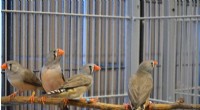
* Darwin's Finches: The famous finches on the Galapagos Islands evolved different beak shapes based on their food sources, leading to the formation of various distinct species.
* Antibiotic Resistance: Bacteria rapidly evolve resistance to antibiotics due to mutations and natural selection.
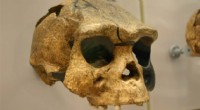
* Human Evolution: Our species has evolved over millions of years, with different hominid species arising and becoming extinct, ultimately leading to modern humans.
Key Points:
* Evolution is not a goal-oriented process: It doesn't have a predetermined direction or a set of "ideal" traits.
* Evolution is a continuous process: Species are constantly evolving, even if the changes are subtle.
* Evolution is a branching process: New species arise from existing species, creating a diversity of life on Earth.
Understanding the intricate dance between survival, evolution, and speciation is crucial for appreciating the beauty and complexity of the natural world.