Plants are the primary producers in most ecosystems, creating their own food through the process of photosynthesis. This complex process involves several key steps:
1. Light Absorption:
* Chlorophyll: The green pigment found in chloroplasts within plant cells absorbs light energy, primarily from the red and blue wavelengths of the visible spectrum.
2. Water Absorption:
* Roots: Plants absorb water from the soil through their roots, using a process called osmosis.
3. Carbon Dioxide Uptake:
* Stomata: Small openings on the underside of leaves called stomata allow carbon dioxide from the atmosphere to enter the plant.
4. Light-Dependent Reactions:
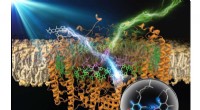
* Chloroplasts: The absorbed light energy is used to split water molecules into oxygen, hydrogen ions (H+), and electrons. This process also produces ATP (adenosine triphosphate), the primary energy currency of cells.
* Electron Transport Chain: Electrons are passed along a series of carrier molecules, releasing energy to pump hydrogen ions across a membrane, creating a concentration gradient.
5. Light-Independent Reactions (Calvin Cycle):
* Carbon Fixation: The energy from ATP and the electrons from the light-dependent reactions are used to convert carbon dioxide into glucose (sugar).
* RuBisCO Enzyme: This key enzyme facilitates the initial carbon fixation step.
* Regeneration of RuBP: The Calvin Cycle regenerates the starting molecule (RuBP) to continue the cycle.
6. Glucose Production:
* Glucose: The final product of photosynthesis, glucose provides energy for the plant's growth, development, and various functions.
7. Oxygen Release:
* Stomata: The byproduct of water splitting, oxygen is released into the atmosphere through the stomata.
Summary:
Photosynthesis is a complex process that converts light energy into chemical energy in the form of glucose. This process is essential for plant life and for sustaining life on Earth.
Beyond photosynthesis:
* Translocation: The glucose produced in leaves is transported throughout the plant via specialized tubes called phloem.
* Storage: Excess glucose can be stored as starch in roots, stems, or fruits.
* Respiration: Plants also utilize glucose through respiration, which releases energy for their own growth and activities.
This information provides a basic understanding of the processes involved in plant food production. More intricate details and specific mechanisms within each step can be explored for a deeper understanding of this fascinating process.