The Building Blocks of Life
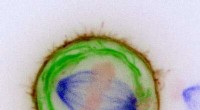
* Cells: The basic unit of life. They are the smallest, fundamental structures capable of carrying out all life processes. Think of them as the bricks in a building.
* Tissues: Groups of similar cells that work together to perform a specific function. Like putting bricks together to form a wall, tissues are made of many cells. Examples include muscle tissue (for movement), nervous tissue (for communication), and epithelial tissue (for covering and lining).
* Organs: Structures made up of different types of tissues that work together to perform a complex function. Imagine combining several walls to create a room; that's like how different tissues come together to form an organ. Examples include the heart (for pumping blood), the lungs (for breathing), and the stomach (for digestion).
The Hierarchical Relationship
You can visualize this relationship like a pyramid:
* Top: Organ
* Middle: Tissue
* Bottom: Cell
This hierarchy shows that organs are made of tissues, and tissues are made of cells.
Example: The Heart
* Cells: Cardiac muscle cells, which contract and relax to pump blood.
* Tissues:
* Cardiac muscle tissue: For the pumping action.
* Connective tissue: To hold the heart together and provide structure.
* Nervous tissue: To control the heart's rhythm.
* Organ: The heart, which is responsible for circulating blood throughout the body.
Key Points:
* Structure and Function: The organization of cells into tissues and organs is crucial for efficient and coordinated function.
* Complexity: As you move up the hierarchy from cells to organs, the level of complexity increases.
* Interdependence: Each level relies on the others. For example, the heart couldn't pump blood without the specialized cardiac muscle cells that make up its tissue.