What it is: The theory of evolution by natural selection is a fundamental principle in biology that explains the diversity of life on Earth. It proposes that organisms with traits better suited to their environment are more likely to survive and reproduce, passing those advantageous traits on to their offspring. Over time, this process leads to gradual changes in populations, ultimately resulting in the development of new species.
Key elements:
* Variation: Individuals within a population exhibit variation in their traits.
* Inheritance: These traits are passed down from parents to offspring.
* Survival and Reproduction: Individuals with traits that make them better adapted to their environment are more likely to survive and reproduce.
* Natural Selection: Over generations, the frequency of beneficial traits increases in the population, while less advantageous traits decrease.
Evidence supporting the theory:
* Fossil record: Fossils show a gradual change in organisms over time, supporting the idea of descent with modification.
* Comparative anatomy: Similarities in the anatomy of different species, like the bone structure of a human arm and a bat wing, suggest common ancestry.
* DNA evidence: Genetic analysis reveals close relationships between species, indicating shared ancestry.
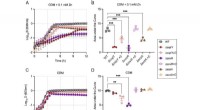
* Direct observation: We can observe evolution happening in real-time, such as the development of antibiotic resistance in bacteria.
Importance:
* Explains the diversity of life on Earth.
* Provides a framework for understanding the relationships between species.
* Has practical applications in fields such as medicine, agriculture, and conservation.
Note: It is important to remember that a scientific theory is not a guess or a hypothesis. It is a well-supported explanation for a natural phenomenon, backed by extensive evidence and supported by the scientific community. The theory of evolution by natural selection is one of the most robust and well-supported scientific theories, constantly evolving as new evidence emerges.