However, here are some ways to categorize and list organisms:
By Domain:
* Bacteria: Single-celled prokaryotes, often found in extreme environments. Examples: E. coli, Lactobacillus.
* Archaea: Single-celled prokaryotes often found in extreme environments. Examples: Methanogens, Halophiles.
* Eukarya: Organisms with eukaryotic cells containing membrane-bound organelles. This domain includes:
* Protists: Mostly single-celled organisms, often aquatic. Examples: Amoeba, Paramecium.
* Fungi: Heterotrophic organisms that obtain nutrients from decaying matter. Examples: Mushrooms, yeast.
* Plants: Autotrophic organisms that produce their own food through photosynthesis. Examples: Trees, flowers.
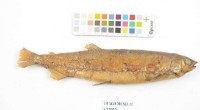
* Animals: Multicellular, heterotrophic organisms. Examples: Humans, insects, fish.
By Kingdom:
* Animalia: Multicellular, heterotrophic organisms.
* Plantae: Multicellular, autotrophic organisms.
* Fungi: Heterotrophic organisms that obtain nutrients from decaying matter.
* Protista: Single-celled organisms, often aquatic.
* Monera: This kingdom is now split into the domains Bacteria and Archaea.
By Habitat:
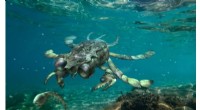
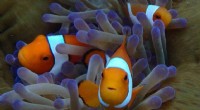
* Aquatic: Organisms that live in water. Examples: Fish, coral, seaweed.
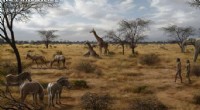
* Terrestrial: Organisms that live on land. Examples: Mammals, insects, trees.
* Aerial: Organisms that live in the air. Examples: Birds, insects, bats.
By Size:
* Microscopic: Organisms too small to be seen with the naked eye. Examples: Bacteria, viruses.
* Macroscopic: Organisms that can be seen with the naked eye. Examples: Animals, plants.
By Function:
* Producers: Organisms that produce their own food through photosynthesis. Examples: Plants, algae.
* Consumers: Organisms that obtain energy by eating other organisms. Examples: Animals, fungi.
* Decomposers: Organisms that break down dead organic matter. Examples: Fungi, bacteria.
By Taxonomy:
You can also look at classifications within each domain or kingdom, such as:
* Phylum: A group of related classes.
* Class: A group of related orders.
* Order: A group of related families.
* Family: A group of related genera.
* Genus: A group of related species.
* Species: A group of organisms that can interbreed and produce fertile offspring.
This list provides a starting point, but remember that the vast diversity of life on Earth makes it impossible to create a definitive list of all organisms.