Helpful Interactions:
* Mutualism: Both organisms benefit from the interaction.
* Example: Bees pollinate flowers while getting nectar, both the bee and the flower benefit.
* Commensalism: One organism benefits, while the other is neither harmed nor helped.
* Example: Barnacles living on a whale get a place to live and travel, while the whale is unaffected.
* Facilitation: One organism indirectly benefits another by modifying the environment.
* Example: Trees provide shade that allows other smaller plants to grow in their understory.
Harmful Interactions:
* Predation: One organism (the predator) kills and consumes another (the prey).
* Example: A lion hunting a zebra.
* Parasitism: One organism (the parasite) lives in or on another organism (the host), benefiting at the host's expense.
* Example: A tapeworm living in a human's intestines.
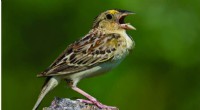
* Competition: Two or more organisms vie for the same limited resources, such as food, water, or space.
* Example: Two different species of birds competing for the same food source.
* Amensalism: One organism is harmed, while the other is unaffected.
* Example: A large tree shading out smaller plants, preventing them from growing.
Complex Interactions:
* Interspecific Competition: Competition between different species.
* Example: Two different species of birds competing for the same food source.
* Intraspecific Competition: Competition between members of the same species.
* Example: Two male lions competing for mating rights.
* Symbiosis: A close and often long-term relationship between two different species. This can encompass mutualism, commensalism, and parasitism.
The Balance of Nature:
These interactions are dynamic and constantly changing. The balance between helpful and harmful interactions is crucial for maintaining healthy ecosystems.
* Predator-prey relationships: Help regulate population sizes and prevent the overgrazing of resources.
* Competition: Can lead to the specialization of species, allowing them to thrive in different ecological niches.
* Parasitism: Can help control populations and contribute to species diversity.
Examples of Beneficial Interactions in Human Health:
* Gut bacteria: The trillions of bacteria in our gut are essential for digestion, immune function, and even mental health.
* Vaccines: Stimulate the immune system to fight off harmful pathogens.
* Probiotics: Introduce beneficial bacteria into the gut to improve health.
Understanding these interactions is essential for:
* Conservation efforts: Protecting ecosystems and preventing the extinction of species.
* Sustainable agriculture: Developing methods to produce food without harming the environment.
* Public health: Understanding the spread of diseases and developing effective treatments.
The intricate web of interactions between organisms is a testament to the complexity and beauty of the natural world. By studying these relationships, we can better appreciate and protect the delicate balance of life on Earth.