1. Fossil Record:
* Transitional Fossils: Fossils showing intermediate stages between ancestral and descendant forms. Examples include Archaeopteryx (bird-like dinosaur), Tiktaalik (fish with limb-like fins).
* Fossil Succession: Fossils appear in a consistent order through geological layers, with simpler life forms in older layers and more complex forms in younger layers.
* Extinction: The fossil record documents numerous extinctions, showing that species are not static and can disappear over time.
2. Comparative Anatomy:
* Homologous Structures: Similar structures in different species that share a common ancestor, despite having different functions. Example: the bones in a human arm, bat wing, and whale flipper are all homologous.
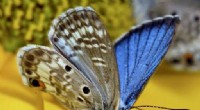
* Analogous Structures: Structures with similar functions but different underlying structures, indicating convergent evolution. Example: the wings of a bird and a butterfly are analogous.
* Vestigial Structures: Reduced or non-functional structures in an organism that were present and functional in its ancestors. Example: the appendix in humans.
3. Molecular Biology:
* DNA Sequence Comparisons: Similar DNA sequences in different species indicate common ancestry. The more similar the sequences, the more closely related the species are.
* Genetic Similarity: Closely related species have similar genetic codes and proteins.
* Universal Genetic Code: All living organisms share the same basic genetic code, further evidence for a common ancestor.
4. Embryology:
* Developmental Similarities: Closely related species show striking similarities in their embryonic development, further suggesting common ancestry.
* Pharyngeal Pouches: These structures are present in the embryos of all vertebrates, but develop into different structures in different species.
5. Biogeography:
* Continental Drift: The distribution of fossils and living organisms on different continents can be explained by the movement of tectonic plates.
* Island Biogeography: The unique species found on isolated islands can be explained by their evolution in isolation.
6. Artificial Selection:
* Selective Breeding: Humans have selectively bred animals and plants for desired traits, demonstrating that evolution can occur rapidly under artificial conditions.
7. Direct Observation:
* Antibiotic Resistance: Bacteria rapidly evolve resistance to antibiotics, a direct example of evolution in action.
* Viral Evolution: Viruses constantly evolve, making it challenging to develop effective vaccines and treatments.
Conclusion:
The evidence for evolution is vast, diverse, and comes from multiple independent lines of inquiry. It is a well-supported scientific theory that has been repeatedly tested and confirmed. The understanding of evolution has revolutionized our understanding of life on Earth and continues to be a critical framework for understanding the diversity and interconnectedness of all living things.