Here's why:
* DNA Structure: DNA is a double helix composed of two strands. Each strand is a chain of nucleotides, which are made up of a sugar, a phosphate group, and a nitrogenous base.
* Nitrogenous Bases: There are four types of nitrogenous bases in DNA: adenine (A), guanine (G), cytosine (C), and thymine (T). The sequence of these bases along the DNA strand is what holds the genetic code.
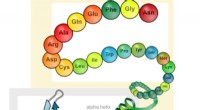
* Genes: Genes are specific segments of DNA that contain the instructions for building a particular protein. The sequence of bases within a gene determines the order of amino acids in the protein.
* Transcription and Translation: The process of protein synthesis involves two main steps:
* Transcription: The DNA sequence of a gene is copied into a molecule called messenger RNA (mRNA).
* Translation: The mRNA molecule is used as a template to assemble amino acids into a protein.
Therefore, the order of nitrogenous bases in DNA holds the instructions for building proteins, making it the crucial part of the DNA molecule for genetic information.