Both respiration and photosynthesis are fundamental processes for life on Earth, but they are carried out by different types of organisms and involve contrasting mechanisms. Here's a comparison:
Respiration:
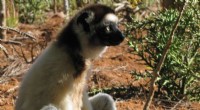
* Organisms: All living organisms, including plants, animals, fungi, bacteria, and archaea.
* Process: Breakdown of organic molecules (like glucose) in the presence of oxygen to release energy (ATP), carbon dioxide, and water.
* Energy Source: Organic molecules (food).
* Energy Output: ATP (adenosine triphosphate), which is used to power cellular activities.
* Waste Products: Carbon dioxide (CO2) and water (H2O).
Photosynthesis:
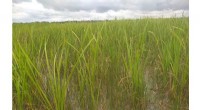
* Organisms: Primarily plants, algae, and some bacteria.
* Process: Conversion of light energy into chemical energy (glucose) using carbon dioxide and water.
* Energy Source: Sunlight.
* Energy Output: Glucose (a type of sugar) and oxygen (O2).
* Waste Products: Oxygen (O2).
Comparison:
| Feature | Respiration | Photosynthesis |
|---|---|---|
| Organisms | All living organisms | Plants, algae, some bacteria |
| Energy Source | Organic molecules | Sunlight |
| Energy Output | ATP | Glucose |
| Waste Products | CO2, H2O | O2 |
| Process | Breakdown of molecules | Synthesis of molecules |
| Requirement | Oxygen (aerobic) | Sunlight, CO2, H2O |
| Relationship | Complementary to photosynthesis | Complementary to respiration |
Key Points:
* Interdependence: Photosynthesis and respiration are complementary processes. Photosynthesis produces the glucose and oxygen that are used in respiration, while respiration releases carbon dioxide and water that are used in photosynthesis. This cycle sustains life on Earth.
* Energy Flow: Photosynthesis captures light energy from the sun and converts it into chemical energy stored in glucose. Respiration releases this stored energy, making it available for life processes.
* Diversity: While all living organisms respire, only certain organisms photosynthesize. This diversity allows for a complex and interconnected web of life.
In Conclusion:
Respiration and photosynthesis are essential processes that govern energy flow and nutrient cycling in our biosphere. They are both vital for sustaining life on Earth and are interconnected in a delicate balance.