Laboratory work:
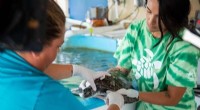
* Sample preparation: Preparing and processing biological samples, such as blood, tissue, or plant material, for analysis. This may involve tasks like collecting, labeling, centrifuging, and storing samples.
* Data collection: Operating and maintaining laboratory equipment, including microscopes, spectrophotometers, and centrifuges, to collect and record experimental data.
* Analysis and testing: Conducting routine biological tests and analyses, following established protocols and procedures. This may involve tasks like measuring cell growth, performing biochemical assays, or identifying microorganisms.
* Maintaining laboratory supplies: Ordering, receiving, and inventorying laboratory supplies, ensuring adequate stock levels for ongoing research.
* Sterilization and disinfection: Maintaining a clean and sterile laboratory environment by adhering to safety protocols and procedures.
Fieldwork:
* Collecting biological samples: Gathering samples from natural environments, such as soil, water, or plants, for analysis in the laboratory. This may involve traveling to remote locations and utilizing specialized equipment.
* Monitoring wildlife: Observing and recording data on wildlife populations and their habitats, using techniques like tagging, tracking, or remote sensing.
Administrative tasks:
* Data entry and management: Entering and organizing experimental data into databases or spreadsheets, ensuring accuracy and completeness.
* Preparing reports and presentations: Assisting scientists in preparing research reports, presentations, and publications by summarizing data and preparing figures and tables.
Other responsibilities:
* Following safety protocols: Adhering to strict safety regulations and procedures to ensure a safe working environment for themselves and colleagues.
* Collaborating with scientists: Working closely with scientists to understand research objectives and contribute effectively to the research process.
* Maintaining equipment: Performing routine maintenance on laboratory equipment and instruments, ensuring optimal performance and longevity.
In essence, a biological science technician acts as a vital support system for scientists, performing a wide range of tasks that are crucial for research and laboratory operations. Their work contributes to advancements in biology and related fields, furthering our understanding of the natural world.