1. The Cell Membrane:
* Phospholipid Bilayer: The cell membrane's foundation is a double layer of phospholipids. These molecules have a hydrophilic (water-loving) head and a hydrophobic (water-fearing) tail, arranging themselves with their heads facing the watery environment inside and outside the cell, while their tails form a barrier in between. This barrier prevents the free movement of most substances across the membrane.
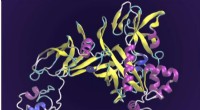
* Selective Permeability: The cell membrane is selectively permeable, allowing some substances to pass through while blocking others. This control is maintained by various proteins embedded in the membrane.
* Transport Systems: Specialized proteins act as channels, pumps, and carriers, facilitating the movement of specific molecules across the membrane. This controlled transport ensures the cell receives necessary nutrients and expels waste products.
2. The Cell Wall (in plant cells):
* Rigid Structure: Plant cells possess a rigid cell wall composed of cellulose, which provides structural support and protection. This wall acts as a physical barrier, preventing the cell from bursting under high internal pressure.
* Protection from Pathogens: The cell wall also serves as a defense mechanism against pathogens and mechanical damage.
3. Internal Structures:
* Cytoskeleton: A network of protein fibers provides structural support and helps maintain the cell's shape. It also participates in cell movement and intracellular transport.
* Organelles: Specialized structures within the cell, like the nucleus, mitochondria, and endoplasmic reticulum, perform specific functions, contributing to the overall protection and functioning of the cell.
4. Extracellular Matrix (ECM):
* Support and Protection: In animals, cells are embedded in an ECM, a complex network of proteins and carbohydrates. The ECM provides structural support, helps regulate cell behavior, and forms a protective barrier against external threats.
5. Protective Mechanisms:
* Enzymes: The cell produces enzymes that can break down harmful substances or neutralize toxins.
* Immune System: In multicellular organisms, the immune system defends against invaders like bacteria and viruses.
In Summary:
The cell's protection from the environment is a multi-layered approach involving physical barriers like the cell membrane and cell wall, controlled transport mechanisms, internal structural support, and active defense mechanisms. Together, these strategies ensure the delicate internal environment of the cell is preserved and its functions are protected.