* Protein Synthesis: Ribosomes, the sites of protein synthesis, are often associated with the endoplasmic reticulum (ER), a network of internal membranes. This association facilitates the efficient translation of mRNA into proteins.
* Protein Folding and Modification: The ER provides a controlled environment for protein folding and modification. Chaperone proteins within the ER help newly synthesized proteins fold into their correct three-dimensional structures.
* Protein Sorting and Transport: The ER and Golgi apparatus, another internal membrane system, work together to sort and transport proteins to their final destinations within the cell or outside the cell.
What Internal Membranes *Do Not* Do:
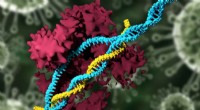
* DNA Replication: DNA replication occurs in the nucleus, which is enclosed by a double membrane called the nuclear envelope. Internal membranes, while involved in protein production, do not play a direct role in replicating DNA.
In Summary: Internal membranes are essential for protein production, folding, modification, and transport but do not directly participate in DNA replication.