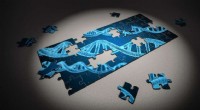
1. Biological Sciences: This encompasses a wide range of disciplines, including:
* Anatomy: The study of the structure of living organisms.
* Physiology: The study of how living organisms function.
* Genetics: The study of genes and heredity.
* Microbiology: The study of microorganisms, including bacteria, viruses, and fungi.
* Immunology: The study of the immune system and how it defends the body against disease.
2. Medical Sciences: These disciplines focus on the diagnosis, treatment, and prevention of disease:
* Pathology: The study of disease.
* Pharmacology: The study of drugs and their effects on the body.
* Surgery: The branch of medicine that deals with the treatment of diseases, injuries, and deformities by operation.
* Radiology: The use of imaging techniques, such as X-rays, CT scans, and MRI, to diagnose and treat diseases.
3. Chemical Sciences: Chemistry plays a vital role in understanding how the body works and developing new treatments:
* Biochemistry: The study of the chemical processes that occur in living organisms.
* Pharmaceutical Chemistry: The study of the design, synthesis, and development of new drugs.
4. Physical Sciences: Physics and engineering contribute significantly to the advancement of healthcare technology:
* Biophysics: The study of physical principles that govern biological systems.
* Medical Engineering: The application of engineering principles to solve medical problems.
These categories are interconnected and constantly evolving. New scientific discoveries in one area often lead to breakthroughs in others, pushing the boundaries of healthcare and improving patient care.