To Observe and Measure:
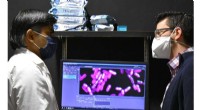
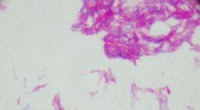
* Microscopes: To view extremely small objects like cells, bacteria, or the structure of materials.
* Telescopes: To observe distant objects in space like stars, planets, and galaxies.
* Thermometers: To measure temperature.
* Scales: To measure mass or weight.
* Rulers and measuring tapes: To measure length and distance.
* Stopwatches: To measure time.
* Spectrometers: To analyze the light emitted or absorbed by objects.
To Experiment and Analyze:
* Beakers, flasks, and test tubes: To hold and mix chemicals and solutions.
* Bunsen burners and ovens: To heat substances.
* Pipettes and syringes: To transfer and measure small amounts of liquids.
* Centrifuges: To separate mixtures based on density.
* Chromatography equipment: To separate and analyze mixtures of chemicals.
* Computers and software: To collect, analyze, and model data.
To Collect and Preserve Data:
* Field notebooks: To record observations and measurements.
* Cameras: To capture images of objects and events.
* Audio recorders: To record sounds and vocalizations.
* Databases and spreadsheets: To store and organize data.
* Preservation tools: To collect and preserve specimens like plants, animals, or rocks.
To Communicate Their Findings:
* Microscopes: To share detailed images of objects.
* Graphs and charts: To visually represent data and relationships.
* Presentations and publications: To present and share research findings with others.
These are just a few examples of the many tools that scientists use. The specific tools used depend on the area of science being studied and the research question being asked.
It's important to remember that tools are just part of the scientific process. Scientists also use their creativity, critical thinking skills, and a lot of patience to make new discoveries.