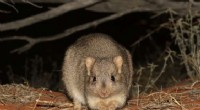
Adaptations to the Environment:
* Camouflage: Blending in with the surroundings to avoid predators or ambush prey.
* Mimicry: Resembling another species, often to deter predators or attract prey.
* Physiological Adaptations: Specialized features for dealing with extreme temperatures, lack of water, or other environmental challenges (e.g., thick fur in cold climates, efficient water retention in deserts).
* Behavioral Adaptations: Behaviors that help the species survive, like migration patterns, foraging strategies, or social structures.
Reproductive Success:
* High Reproductive Rate: Producing a large number of offspring increases the chance that some will survive.
* Effective Parental Care: Investing time and energy in raising offspring can increase their survival rates.
* Effective Mate Selection: Choosing a healthy and genetically compatible mate ensures strong offspring.
Resilience and Adaptability:
* Genetic Diversity: A wide range of genes within a population allows for greater adaptability to changing environments.
* Disease Resistance: Having strong immune systems and genetic defenses against pathogens can help the species survive outbreaks.
* Behavioral Flexibility: Being able to adjust behaviors in response to environmental changes can improve survival.
Other Important Traits:
* Intelligence and Problem-Solving Abilities: These can be crucial for finding food, avoiding predators, and navigating complex environments.
* Social Cooperation: Working together in groups can provide protection, improve hunting success, and increase the chances of finding resources.
It's important to note that no single trait guarantees survival. The success of a species depends on a complex interplay of various factors, including the environment, competition with other species, and random events like disease outbreaks.