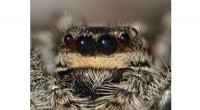
A perfect example of evolution as a remodeling process is the development of the eye. While we see the complex, light-sensitive organ we have today, it wasn't always this way. Evolution took a simple, light-sensitive patch of cells and, over millions of years, remodeled it into the marvel of vision we experience.
Here's how it happened:
1. The Starting Point: Early, single-celled organisms had simple light-sensitive patches on their surface. These patches could sense the difference between light and dark, helping them move towards or away from light sources.
2. The First Steps: Over time, these patches became indented, forming a cup shape. This allowed them to detect the direction of light more accurately, a rudimentary form of "seeing".
3. Refinement and Complexity: The cup-like structure continued to evolve. It developed a lens to focus light, and a retina to receive and process the light signals.
4. Specialization: Through natural selection, different organisms developed specific adaptations to their environments. Some developed eyes best suited for underwater vision, while others focused on sharp sight for hunting or avoiding predators.
The Remodeling Process: Each step in this process involved changes to the existing structure. The light-sensitive patch wasn't replaced; it was modified, expanded, and integrated into a more complex system. This remodeling process, guided by natural selection, resulted in the intricate and diverse eyes we see in the animal kingdom today.
The Importance: This example illustrates that evolution is not about creating something completely new from scratch. It's a process of taking existing structures and modifying them over generations to better adapt to changing environments. This remodeling process allows for gradual improvements and the development of highly specialized organs like the human eye.