Leaves:
* Palisade Mesophyll Cells: These cells are packed with chloroplasts, the organelles responsible for photosynthesis.
* Adaptation: They are elongated and closely packed, maximizing surface area for light absorption. They also have a high concentration of chlorophyll, the pigment that captures light energy.
* Spongy Mesophyll Cells: These cells are loosely arranged with large air spaces.
* Adaptation: The air spaces facilitate gas exchange, allowing carbon dioxide to reach the chloroplasts and oxygen to be released. They also help regulate water vapor loss.
* Guard Cells: These cells surround tiny openings called stomata on the leaf surface.
* Adaptation: Guard cells can open and close the stomata to regulate gas exchange and water loss. They respond to environmental cues like light, humidity, and carbon dioxide levels.
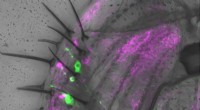
* Epidermal Cells: These cells form a protective outer layer on the leaf.
* Adaptation: They have a waxy cuticle that reduces water loss through transpiration. Some epidermal cells also have specialized hairs that can reflect sunlight or deter insects.
Roots:
* Root Cap Cells: These cells form a protective layer over the root tip.
* Adaptation: They are tough and constantly being replaced as the root grows through the soil. This protects the delicate growing tissues behind the root cap.
* Root Hair Cells: These are specialized epidermal cells that extend out from the root surface.
* Adaptation: They have a large surface area for absorbing water and minerals from the soil. Their thin walls facilitate the movement of nutrients into the root.
* Vascular Tissues (Xylem and Phloem): These are responsible for transporting water and nutrients throughout the plant.
* Adaptation: Xylem cells are dead and hollow, forming long tubes that transport water from the roots to the leaves. Phloem cells are living and transport sugars produced in the leaves to other parts of the plant.
Overall Adaptations:
* Cell Walls: Both leaf and root cells have cell walls made of cellulose, which provides structural support and allows for the transport of water and nutrients.
* Vacuoles: These large, fluid-filled sacs play a vital role in maintaining cell turgor pressure, storing nutrients, and regulating cell processes.
* Organelles: Cells in both leaves and roots contain specialized organelles, such as chloroplasts, mitochondria, and ribosomes, that perform specific functions related to energy production, protein synthesis, and other essential processes.
These are just a few examples of how cells in leaves and roots have adapted to their specific jobs. The intricate interplay of these adaptations allows plants to thrive in various environments and carry out the essential processes of life.