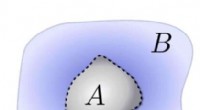
* Mold Fossil: This is an impression left behind in the surrounding rock after the original organism decays or dissolves. It's like a negative image, showing the organism's outline, surface texture, and sometimes even details like footprints or burrows.
* Cast Fossil: This forms when the mold fills with minerals or sediment, creating a three-dimensional replica of the organism's original form.
What's NOT preserved:
* Hard tissues: Bones, teeth, shells, and other hard parts are often the starting point for these types of fossils. However, the actual hard tissue itself doesn't remain in the mold or cast.
* Soft tissues: Soft tissues like skin, muscles, and organs rarely fossilize, making them very uncommon finds.
In summary: Cast and mold fossils are like "negative" and "positive" copies of the organism's external features, rather than the organism itself. They provide valuable information about the organism's shape, size, and sometimes even its behavior.