Here's how organisms achieve homeostasis for key internal conditions:
Temperature Regulation (Thermoregulation):
* Endotherms (warm-blooded): These organisms use internal mechanisms to generate heat and maintain a constant body temperature. This includes:
* Metabolic Processes: Breaking down food generates heat.
* Shivering: Muscle contractions generate heat.
* Sweating: Evaporation of sweat cools the body.
* Insulation: Fur, feathers, or blubber act as insulators to retain heat.
* Ectotherms (cold-blooded): These organisms rely on external sources for heat. They can regulate their temperature by:
* Basking in the sun: Absorbing heat from the environment.
* Seeking shade: Avoiding overheating.
* Changing their behavior: Moving to warmer or cooler locations.
Water Balance:
* Osmosis: Water moves from areas of high concentration to low concentration across semi-permeable membranes.
* Excretion: Organisms remove excess water through urine, sweat, and respiration.
* Drinking: Taking in water to replenish losses.
* Behavioral adaptations: Some animals conserve water by seeking shade, staying inactive during the hottest part of the day, or concentrating their urine.
Nutrient Balance:
* Digestion: Breaking down food into smaller molecules that can be absorbed.
* Absorption: Taking in nutrients from the digestive system into the bloodstream.
* Metabolism: Using nutrients for energy, growth, and repair.
* Excretion: Eliminating waste products of metabolism.
* Hormonal control: Hormones regulate appetite, digestion, and nutrient uptake.
Key Mechanisms for Homeostasis:
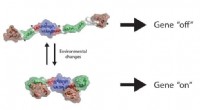
* Feedback Loops: Negative feedback loops are the most common mechanism. A sensor detects a change in a variable, and the control center triggers a response to reverse the change.
* Hormones: Chemical messengers that regulate various bodily functions, including homeostasis.
* Nervous system: Detects changes in the environment and sends signals to the appropriate organs to adjust.
Examples of Homeostasis:
* Maintaining blood sugar levels: The pancreas secretes insulin to lower blood sugar when it's too high and glucagon to raise it when it's too low.
* Regulating blood pressure: The heart rate and blood vessel diameter are adjusted to maintain appropriate blood pressure.
* Keeping body temperature stable: Shivering, sweating, and other mechanisms are used to maintain a constant body temperature.
Homeostasis is a complex and dynamic process that ensures the optimal functioning of all living organisms. It is essential for survival, growth, and reproduction.