1. Cells: All living things are made up of one or more cells, the basic unit of life.
2. Metabolism: Living organisms carry out chemical reactions to obtain and use energy, build and break down molecules, and eliminate waste.
3. Reproduction: Living organisms create offspring, either sexually or asexually, to ensure the continuation of their species.
4. Homeostasis: Living organisms maintain a stable internal environment, despite changes in the external environment.
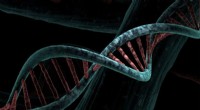
5. Heredity: Living organisms pass on genetic information to their offspring through DNA or RNA.
6. Organization: Living organisms exhibit a hierarchical structure, from cells to tissues, organs, organ systems, and the organism as a whole.
7. Growth and Development: Living organisms increase in size and complexity over time, following a specific pattern of development.
8. Adaptation: Living organisms change over time in response to environmental pressures, improving their chances of survival and reproduction.
9. Response to stimuli: Living organisms can detect and respond to changes in their environment.
These characteristics are essential for life and distinguish living organisms from non-living matter.