1. Biological Evolution: This refers to the gradual change in the genetic makeup of a population over time. It's driven by natural selection, where individuals with advantageous traits are more likely to survive and reproduce, passing on those traits to their offspring. There are no "stages" in this sense, as evolution is a continuous process. However, we can talk about different levels of organization within biological evolution:
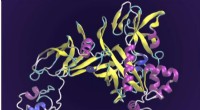
* Molecular Evolution: Changes in the sequence of DNA and RNA molecules.
* Cellular Evolution: Changes in the structure and function of cells.
* Organismal Evolution: Changes in the appearance and behavior of organisms.
* Species Evolution: The emergence of new species through the process of speciation.
* Macroevolution: Large-scale evolutionary changes that occur over long periods, like the emergence of new groups of organisms.
2. Human Development (Ontogeny): This refers to the biological and psychological changes that occur from conception to adulthood. There are stages in this sense:
* Prenatal Development: From conception to birth, involving the formation of organs and systems.
* Infancy: From birth to about 2 years, characterized by rapid physical growth and development of basic motor skills and language.
* Early Childhood: From 2 to 6 years, characterized by continued physical growth and development of social and cognitive skills.
* Middle Childhood: From 6 to 11 years, characterized by more complex social interactions, academic learning, and development of self-identity.
* Adolescence: From 11 to 18 years, marked by puberty, rapid physical changes, and the development of independence and adult-like thinking.
* Adulthood: From 18 years onwards, a period of relative stability with continued development and potential for personal growth.
3. Cultural or Technological Evolution: This refers to the change and development of human societies, technology, and ideas over time. There are no fixed stages, but we can identify periods of significant change, such as:
* Stone Age: Characterized by the use of stone tools.
* Bronze Age: Characterized by the use of bronze tools.
* Iron Age: Characterized by the use of iron tools.
* Industrial Revolution: Marked by technological advancements and mass production.
* Information Age: Characterized by the development of computers and the internet.
4. Evolutionary Stages in Specific Contexts: Some fields of study, like psychology or sociology, may use the term "evolutionary stage" to describe different stages of development within a specific domain. For example, Piaget's stages of cognitive development describe how children's thinking progresses through different stages.
In order to give you a more specific answer, please clarify what kind of evolution you are interested in.