1. Groups of individuals: Both populations and species are defined by groups of individuals.
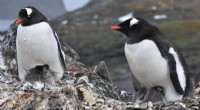
* Population: A population is a group of interbreeding individuals of the same species living in the same geographic area.
* Species: A species is a group of similar organisms capable of interbreeding and producing fertile offspring.
2. Shared characteristics: Both populations and species share common characteristics.
* Population: Individuals within a population share similar traits due to common ancestry and adaptation to their environment.
* Species: Organisms within a species share a set of common characteristics that distinguish them from other species.
3. Dynamic entities: Both populations and species are not static entities but rather dynamic systems that change over time.
* Population: Populations fluctuate in size and genetic composition due to factors like birth, death, migration, and natural selection.
* Species: Species can evolve over time through adaptation, speciation, or extinction.
4. Ecological roles: Both populations and species play specific roles in their ecosystems.
* Population: The abundance and distribution of a population can affect the abundance of other species in the community.
* Species: Species have specific ecological niches, contributing to the functioning of ecosystems.
However, there are crucial differences:
* Interbreeding: The key difference is that members of a population always interbreed, while members of a species can interbreed but don't always do so. A species is a broader concept, encompassing all individuals capable of interbreeding, even if they live in different geographic locations.
* Boundaries: Population boundaries are usually geographically defined (e.g., a specific forest), while species boundaries are more abstract, based on shared characteristics and the potential for interbreeding.
In summary:
While distinct concepts, populations and species share similarities in their nature as groups of individuals with shared characteristics, dynamic change over time, and roles in ecosystems. They are both important units of study in biology, with population ecology focusing on the dynamics of populations within a species, and species ecology exploring the interactions and roles of different species in communities.