* Plasma membrane: This is the outer boundary of both plant and animal cells, regulating what enters and exits the cell.
* Cytoplasm: The jelly-like substance that fills the cell, providing a medium for organelles to function.
* Ribosomes: These tiny structures are responsible for protein synthesis in both plant and animal cells.
* Mitochondria: The "powerhouses" of the cell, producing energy through cellular respiration.
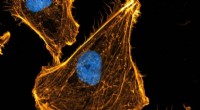
* Nucleus: The control center of the cell, containing the genetic material (DNA).
* Endoplasmic reticulum (ER): A network of membranes involved in protein synthesis, lipid metabolism, and detoxification.
* Golgi apparatus: Processes and packages proteins and lipids for secretion or use within the cell.
* Lysosomes: These membrane-bound sacs contain enzymes that break down waste materials.
Note: While both plant and animal cells share these structures, there are some key differences. For example, plant cells have cell walls, chloroplasts, and large central vacuoles that are not present in animal cells.