Here's why:
* Multicellularity: Multicellular organisms are made up of many cells. To function effectively, these cells need to divide labor.
* Specialized Functions: Different cell types develop specialized structures and functions. For example, muscle cells contract, nerve cells transmit signals, and blood cells carry oxygen.
* Efficiency: Cell specialization allows for a more efficient division of labor within the organism, leading to greater complexity and adaptability.
Examples of Cell Specialization in Different Organisms:
* Animals: Nerve cells in the brain, muscle cells in the heart, red blood cells in the circulatory system.
* Plants: Root cells absorb water and nutrients, leaf cells perform photosynthesis, flower cells are involved in reproduction.
* Fungi: Fungal cells can be specialized for absorption of nutrients from the environment or for reproduction.
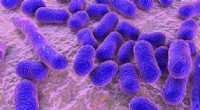
Single-celled organisms (like bacteria and protists) do not exhibit cell specialization because they are just one cell and must perform all of their own functions.