* ATP Production: Mitochondria are the powerhouses of the cell. They are responsible for producing the majority of the cell's ATP (adenosine triphosphate), the primary energy currency used for virtually all cellular processes. This process, called oxidative phosphorylation, involves the breakdown of glucose and other fuel molecules in the presence of oxygen to generate ATP.
* Aerobic Respiration: Mitochondria are essential for aerobic respiration, the process that allows cells to efficiently extract energy from food molecules in the presence of oxygen. Without mitochondria, eukaryotic cells would be severely limited in their ability to perform many vital functions.
* Other Essential Functions: Beyond energy production, mitochondria also play roles in:
* Cell signaling: They can release signaling molecules that influence cellular processes.
* Cell death (apoptosis): Mitochondria can release proteins that trigger programmed cell death.
* Calcium homeostasis: They help regulate calcium levels within the cell.
* Synthesis of heme and other molecules: Mitochondria are involved in the production of important molecules like heme (a component of hemoglobin).
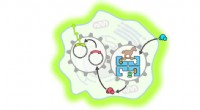
Evolutionary Perspective: It's believed that mitochondria were once free-living bacteria that were engulfed by ancestral eukaryotic cells. This symbiotic relationship proved beneficial for both organisms, with the bacteria providing energy in exchange for protection and nutrients. Over time, the bacteria evolved into the mitochondria we see today.
In essence, mitochondria are indispensable for eukaryotic cells because they are the primary site of ATP production, enabling cells to carry out their diverse and complex functions.