1. Physical:
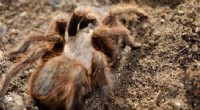
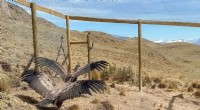
* Structural: Physical features like camouflage, sharp claws, strong beaks, or wings for flight.
* Physiological: Internal processes like efficient metabolism, venom production, or resistance to disease.
2. Behavioral:
* Instinctive: Innate behaviors like migration patterns, mating rituals, or predator avoidance.
* Learned: Behaviors acquired through experience, like tool use, social hierarchies, or foraging strategies.
These adaptations can provide an organism with advantages like:
* Increased access to resources: Finding food, shelter, or mates more effectively.
* Enhanced survival: Avoiding predators, surviving harsh conditions, or resisting diseases.
* Improved reproduction: Attracting mates, raising offspring, or ensuring their survival.
Here's how it works:
* Variation: Within a population, individuals have slight differences in their traits.
* Selection: The environment selects for traits that increase an individual's chances of survival and reproduction.
* Inheritance: Individuals with advantageous traits are more likely to reproduce and pass those traits to their offspring.
* Over time: The frequency of advantageous traits increases in the population, leading to adaptation and evolution.
Therefore, the key to surviving natural selection is having traits that help an organism thrive in its specific environment. The environment is the "selector," favoring individuals who are best suited to the conditions.