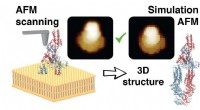
Computing in science refers to the application of computational methods and techniques to scientific research and analysis. It's not just about using computers for calculations, but about leveraging computational power to simulate, analyze, and understand complex scientific phenomena.
Here's a breakdown of how computing revolutionizes various fields:
1. Simulation and Modeling:
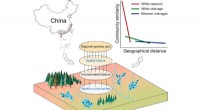
* Predicting the future: Scientists can build computer models to simulate complex systems like climate change, the spread of diseases, or the behavior of molecules. This allows them to predict future outcomes and test hypotheses in a controlled environment.
* Exploring the impossible: Some phenomena are too complex or dangerous to study directly. Computer simulations allow scientists to explore extreme conditions like black holes or the formation of stars without real-world risks.
* Designing new materials and drugs: Computational chemistry and biophysics use simulations to design new materials with desired properties or develop new drugs by predicting how molecules will interact.
2. Data Analysis and Visualization:
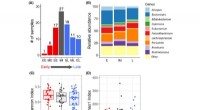
* Unraveling complex data: Scientists generate vast amounts of data through experiments, observations, and simulations. Computing tools like statistical software and machine learning algorithms help analyze this data, find patterns, and draw meaningful conclusions.
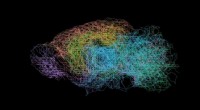
* Visualizing data: Powerful visualizations allow scientists to explore data in interactive ways, creating insightful graphics and animations that reveal hidden trends and patterns.
* Data-driven discoveries: Large-scale data analysis, often supported by supercomputers, is driving new discoveries in various fields, including genomics, cosmology, and climate science.
3. Automation and High-Throughput Experimentation:
* Automating repetitive tasks: Computing can automate tasks like data collection, analysis, and reporting, freeing up scientists to focus on more creative and complex work.
* High-throughput experimentation: Robots and automated systems can perform hundreds or thousands of experiments simultaneously, accelerating research and increasing efficiency.
* Real-time analysis: Computing enables real-time data analysis and decision-making in scientific experiments, improving the speed and accuracy of research.
Examples of Computing in Science:
* Astrophysics: Simulating the evolution of galaxies and the formation of stars.
* Climate Science: Modeling climate change scenarios and predicting future weather patterns.
* Genomics: Analyzing vast datasets of genetic information to understand disease mechanisms and develop personalized therapies.
* Drug Discovery: Using computational simulations to design new drugs and predict their efficacy.
* Materials Science: Designing new materials with desired properties like strength, conductivity, or heat resistance.
Computing in science is a rapidly evolving field. Advancements in computing power, algorithms, and software are constantly opening up new possibilities for scientific discovery and innovation. It's an essential tool for understanding the world around us and solving some of humanity's most pressing challenges.