Here's a breakdown:
* Reproductive Isolation: This means that members of different groups can no longer interbreed and produce fertile offspring. This is the key factor that defines separate species.
* Speciation: This is the process by which new species arise from existing ones. Reproductive isolation is the driving force behind speciation.
There are several mechanisms that can lead to reproductive isolation, including:
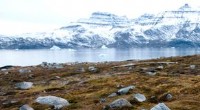
* Geographic Isolation: Physical barriers (like mountains, oceans, or deserts) separate populations, preventing gene flow.
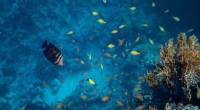
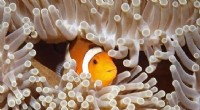
* Ecological Isolation: Species occupy different habitats or utilize different resources within the same geographic area, reducing interbreeding.
* Temporal Isolation: Species reproduce at different times of the day or year, preventing interbreeding.
* Behavioral Isolation: Species have different courtship rituals or mating behaviors, preventing recognition and mating.
* Mechanical Isolation: Differences in reproductive structures (like flower shapes in plants or genitalia in animals) make it difficult for individuals to mate.
* Gametic Isolation: Even if sperm and egg meet, they are unable to fuse and form a zygote.
The accumulation of genetic differences and reproductive isolation over time leads to the formation of distinct species. This process is fundamental to the diversity of life on Earth.