1. Fossils:
* The most direct evidence: Fossils, the preserved remains or traces of ancient organisms, offer a window into the past. They can be:
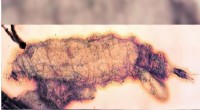
* Body fossils: Actual preserved parts like bones, teeth, shells, or even complete skeletons.
* Trace fossils: Indirect evidence like footprints, burrows, or fossilized droppings (coprolites).
* Analyzing fossils:
* Paleontology: Scientists use techniques like excavation, preparation, and description to study fossils.
* Dating methods: Radiometric dating (using radioactive decay) and other techniques help determine the age of fossils.
* Comparative anatomy: Comparing fossil structures to those of living organisms reveals evolutionary relationships and clues about the extinct species' lifestyle.
2. DNA Analysis:
* Ancient DNA: In some cases, scientists can extract and analyze DNA from preserved remains, like bones or teeth. This offers insights into the species' genetic makeup, evolutionary history, and relationships to living organisms.
* Limitations: DNA degrades over time, making this method only possible for relatively recent extinctions.
3. Other Clues:
* Sedimentary rock analysis: The composition and layers of sedimentary rocks can indicate the ancient environment where an extinct species lived.
* Paleoecology: Studying the fossilized plants and animals found alongside extinct species helps reconstruct ancient ecosystems and understand the species' role within them.
* Historical records: Ancient writings, cave paintings, and even legends can provide clues about extinct species, especially those that went extinct relatively recently.
4. Modern Analogs:
* Comparative studies: Scientists often study modern species that are closely related to extinct ones to infer information about their behavior, diet, and other aspects.
* Modeling: Using computer models and simulations, scientists can create virtual representations of extinct species based on fossil evidence and anatomical studies.
5. Ongoing Research:
* New discoveries: Paleontological digs and advancements in technology constantly uncover new fossils and data, leading to a more complete understanding of extinct species.
* Interdisciplinary approaches: Scientists from various fields like paleontology, genetics, and geology collaborate to piece together the story of extinct species.
Through these methods, scientists continue to unravel the mysteries of Earth's past, providing invaluable insights into the diversity of life and the interconnectedness of all organisms.